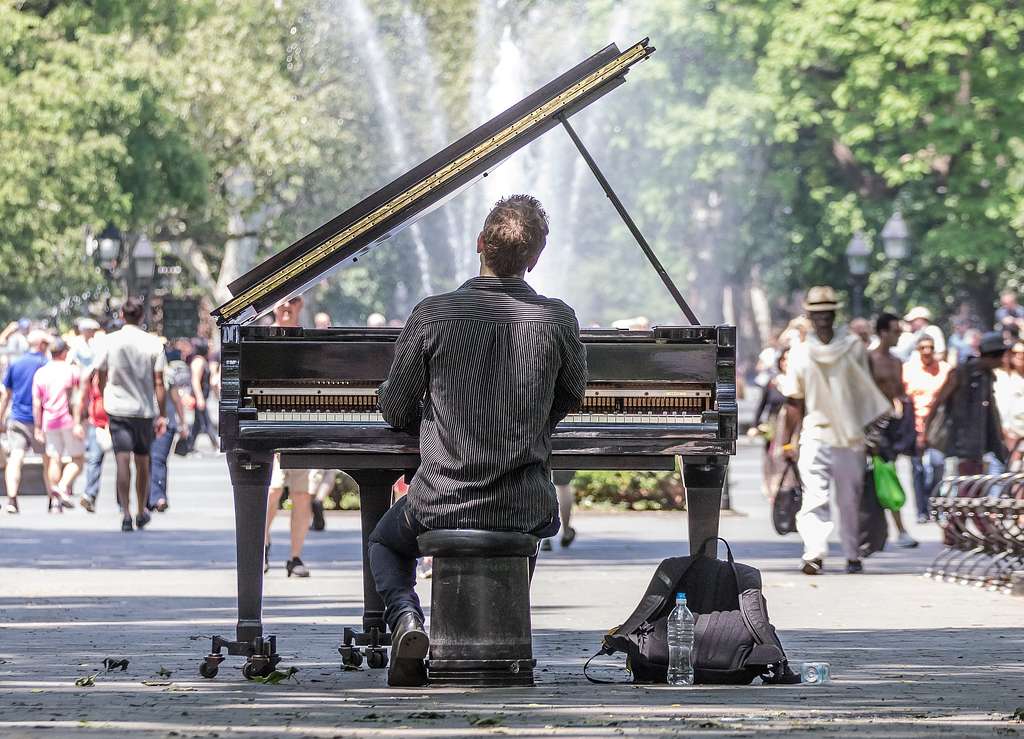
Why Pianists Need to Become Creators Again
Written by Melissa Clement on behalf of Michael Clement
The Lost Art of the Pianist-Composer
Many pianists spend years learning to play music beautifully, but never spend much time creating music of their own. But did you know that wasn’t always the case?
I grew up studying classical piano, and for a long time that was my entire musical world. I spent hours learning pieces, practicing technique, and working to bring the music on the page to life. But even while I was deeply immersed in classical training, I felt a pull toward something else. I wanted to create music too. I wanted to sit down at the piano and discover ideas that came from my own imagination—not just interpret the ideas of composers who lived hundreds of years ago.
Over time I started to notice something interesting. The way many pianists are trained focuses almost entirely on reading and reproducing music as accurately as possible. We learn how to interpret great works, but we often don’t learn how to generate musical ideas ourselves.
And that’s a little strange when you think about it.
For most of music history, the pianist and the composer were usually the same person. Playing the instrument and creating music were closely connected parts of the same craft.
But somewhere along the way, those two identities became separated. As a result, many pianists grow up believing that creativity belongs to a special group of “composers,” while the rest of us are simply performers.
But the truth is that creating music has always been part of being a musician.
And if we want to experience the full joy of playing the piano, it may be time to bring that creative side back.
A Brief History of the Pianist-Composer
For centuries, playing and composing were inseparable.
If you look at the great musicians of the last four hundred years—Bach, Mozart, Beethoven, Chopin, Liszt—you’ll notice something important. They were creators just as much as they were performers.
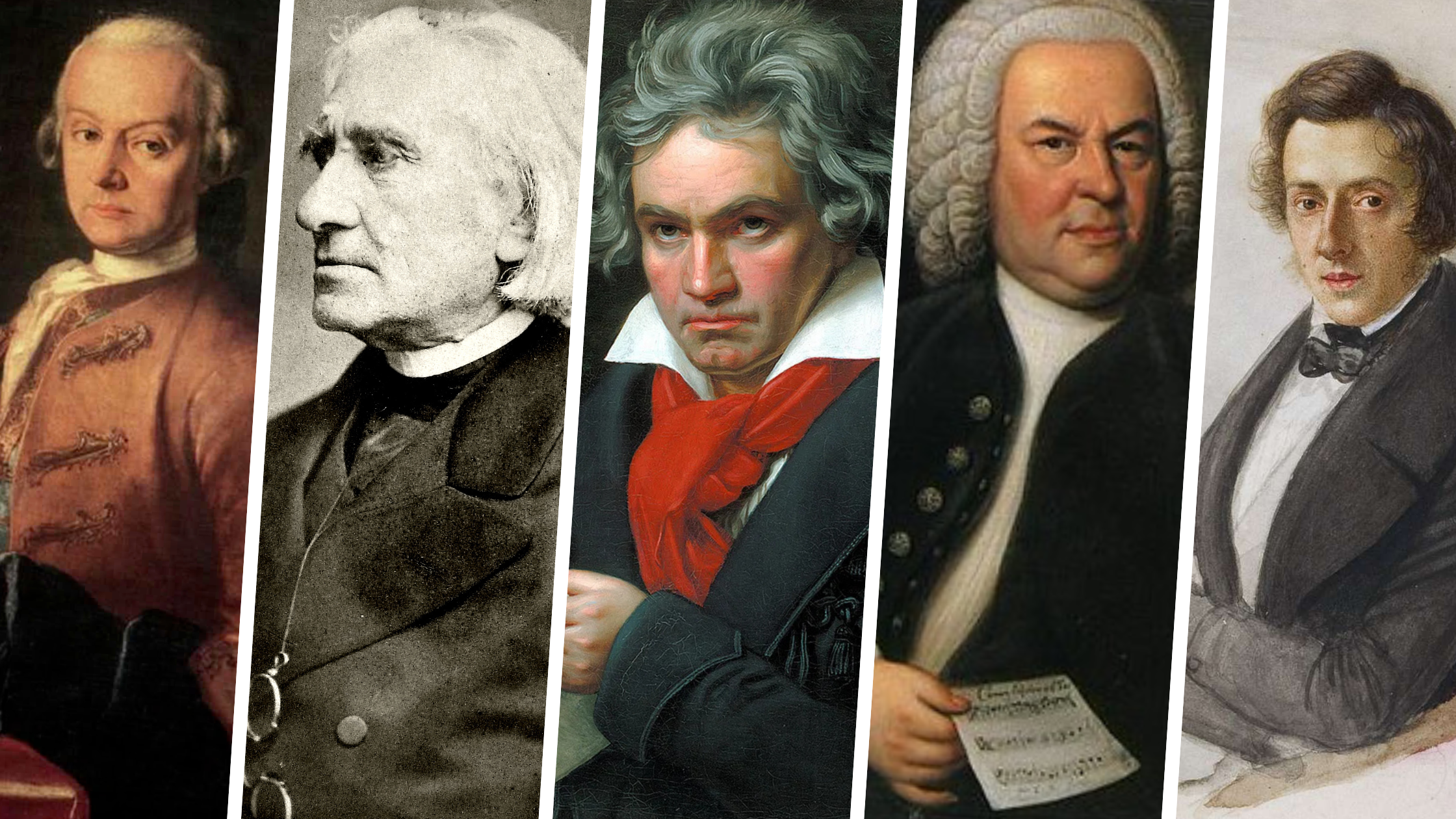
Before Beethoven was ever known as a composer, he was known as a strong improviser, playing circles around his contemporaries. Bach was primarily an organist, and improvised regularly in church services. Mozart was famous for improvising entire performances. Chopin composed music that grew directly out of his own piano playing. Liszt often turned improvisations into written works later on.
In other words, their creative and performing lives were deeply connected. Being able to play an instrument meant you could explore ideas, experiment with sounds, and shape music in real time. Composition and improvisation were simply natural extensions of playing.
How Pianists Used to Learn Music
Part of the reason composition and improvisation were so closely entwined during this time was that improvisation itself was a core part of musical training.
In the eighteenth century, students often learned through a tradition called partimento, often using a notation style called figured bass. Instead of just learning fully written-out pieces, students were given a bass line and learned how to realize it at the keyboard—building harmonies, melodies, and textures as they played.
Through this process, students were learning the grammar of music instead of simply memorizing it. They learned how harmony worked, how phrases developed, and how to invent musical ideas in real time. This approach was central to how many composers were trained.
At some point, though, the identities of “pianist” and “composer” became separate.
How Modern Piano Education Left Creativity Behind
Today, most pianists are never asked to improvise or compose. Improvisation and composition are often treated as separate specialties rather than core musical skills. The little improvisation and composition that pianists do are focused on harmony "rules" that keep pianists afraid of real creativity.
And so many students finish years of lessons with little experience improvising, composing, or arranging music. They may be able to play complex repertoire yet are paralyzed when asked to create even a short musical idea on their own.
The Human Desire to Create
Now, I don't want to downplay the creativity that is involved in the classical piano tradition. Even when pianists spend most of their time playing other people’s music, there is still a great deal of creativity involved. When you interpret a piece, shape a phrase, or adjust dynamics, you’re participating in the creative process in a small way. You’re making decisions about expression and emotion.
But that experience is only a glimpse of what music creation can feel like.
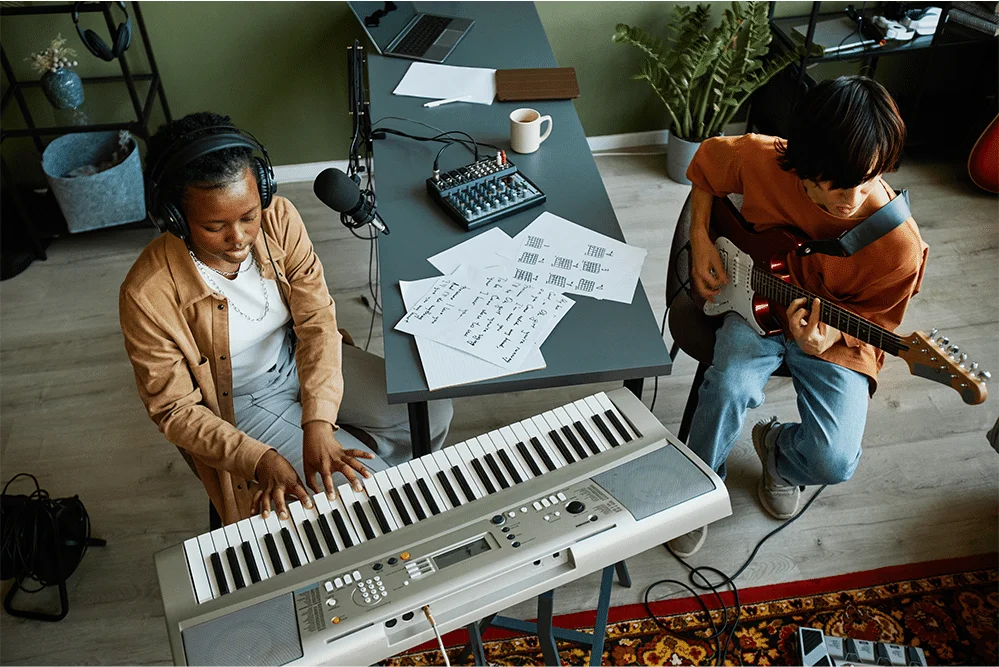
There’s a different kind of satisfaction that comes from hearing a musical idea that didn’t exist until you played it. When the melody, harmony, and rhythm come directly from you, the connection to the music becomes deeper.
While fostering your own creativity takes time and a willingness to step out into the unknown, it is well worth it.
What It Looks Like to Be a Creative Pianist
The idea of becoming a creative pianist can sound intimidating at first. Many pianists assume improvisation or composition requires a special kind of talent. In reality, these are skills that can be learned.
Improvisation is simply the act of making musical decisions in real time. Composition is the process of shaping those ideas into something more structured. Arranging involves reworking existing music in your own way. All of these skills grow through practice.
If you’ve spent most of your musical life focused on classical repertoire, moving into creative work can feel strange and pretty intimidating. The good news is that it doesn’t require a dramatic shift, and small changes can open the door to a new way of playing.
Start with improvisation: Take a single chord and explore different melodies over it without worrying about complexity.
Experiment with variation: Choose a piece you already know and change one element at a time—such as rhythm, harmony, or register—especially in styles like Baroque, early Classical, jazz, pop, or rock where improvisation is welcomed.
Write small musical sketches: Capture short musical ideas at the piano and treat them like journal entries rather than finished compositions.
Shift your mindset: Replace the question “Am I good enough to create?” with “What happens if I explore this idea?”
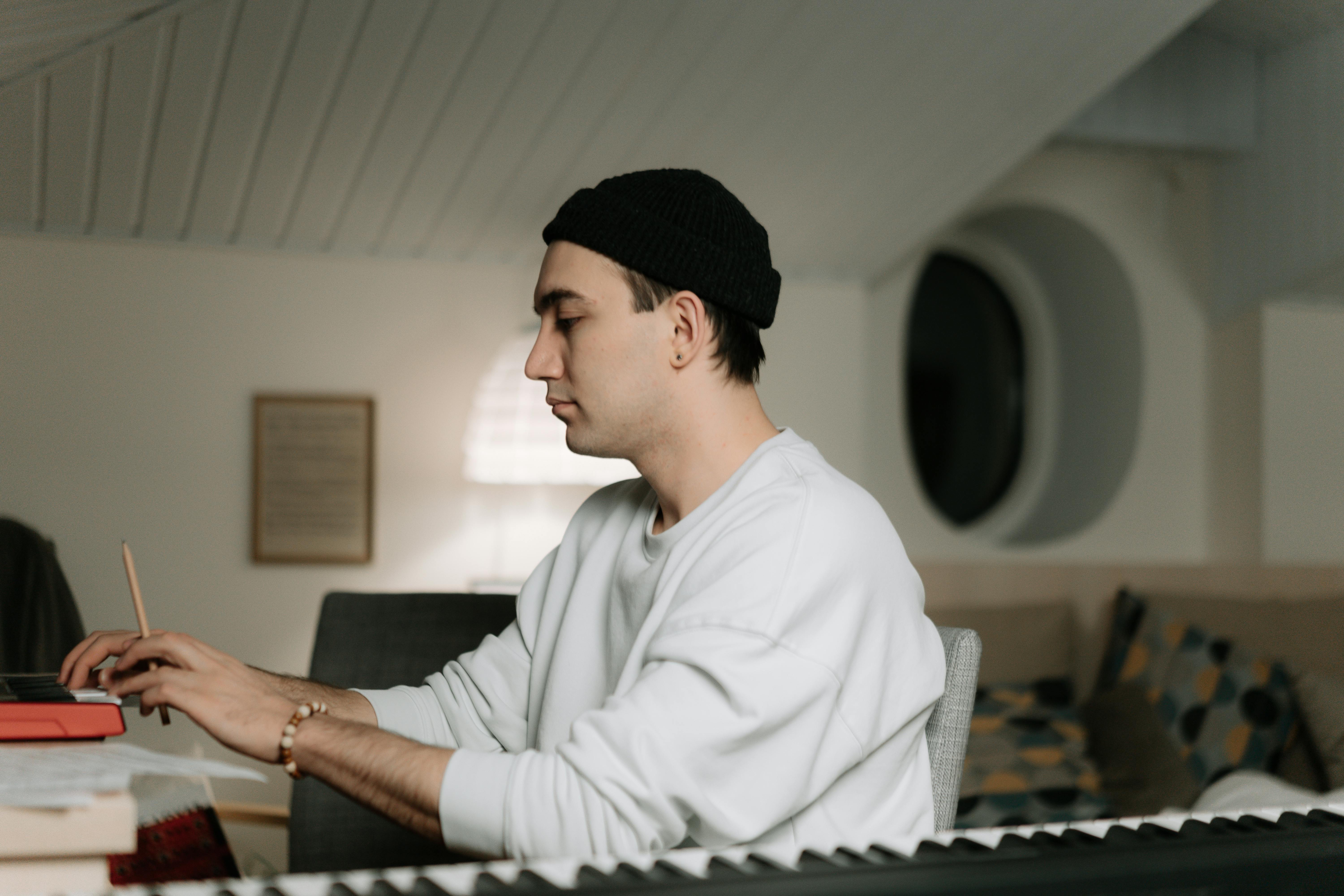
Join a New Generation of Pianist-Composers
More musicians are rediscovering the value of improvisation, composition, and creative exploration. Pianists are beginning to see themselves not only as interpreters of great music, but as creators in their own right.
That shift doesn’t entail abandoning classical repertoire. The music of the past remains one of our greatest sources of inspiration. But it does mean expanding the pianist's role.
Imagine a generation of musicians who can both perform great works and create new ones. Pianists who feel comfortable experimenting, shaping musical ideas, and sharing their own voice.
That kind of musical life is open to anyone willing to take a small step toward creativity.
Maybe that step is improvising for a few minutes at the end of practice. Maybe it’s writing a short melody. Maybe it’s trying something new at the piano without worrying about the result.
Every creative journey begins with a single experiment.
Ways to work with Michael:
Improvise melodies in just 10 minutes/day with From Lines to Melodies
Join Freedom at the Piano Academy for more personalized support
Schedule a lesson/consultation with me to work through personal roadblocks